OVERVIEW
When it comes to women’s health, early detection can make all the difference. One of the most effective screening tests for cervical cancer is the PAP Test, also known as the Papanicolaou Test.
At AK Diagnostics, we prioritise preventive care, helping women take control of their health through accurate and reliable diagnostic testing.

WHAT IS A PAP TEST?
A PAP Test is a simple, painless screening procedure that helps detect abnormal cells in the cervix — the lower part of the uterus that opens into the vagina. These cell changes may develop into cervical cancer if not identified and treated early. The test can also reveal infections or inflammation that need medical attention.
This test is named after Dr George Papanicolaou, the scientist who first discovered its importance in detecting cervical cancer and other abnormalities.
WHY IS THE PAP TEST IMPORTANT?
Cervical cancer is one of the most preventable cancers, yet it continues to affect thousands of women every year. The good news is that with regular PAP screening, most cases can be detected at an early and treatable stage.
Here’s how the PAP Test helps:
- Early Detection: Identifies abnormal or precancerous cells before they turn into cancer.
- Timely Treatment: Allows doctors to treat infections or cellular changes early.
- Prevention: Helps prevent the development of cervical cancer altogether.
When combined with an HPV (Human Papillomavirus) Test, the PAP Test becomes an even stronger tool in assessing cervical cancer risk.
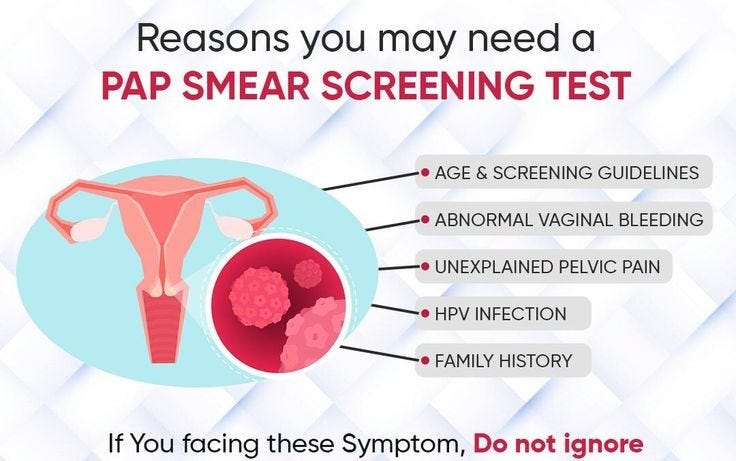
WHO SHOULD GET A PAP TEST?
According to healthcare guidelines:
- Women should start regular PAP testing at age 21.
- From 21 to 29 years, it is recommended every 3 years.
- From 30 to 65 years, women can either continue with the PAP test every 3 years or opt for co-testing (PAP + HPV) every 5 years.

However, your doctor may recommend more frequent testing if you have risk factors like:
- A history of abnormal PAP results
- HPV infection
- Weakened immune system
- Smoking
- Previous cervical cancer
HOW IS THE TEST PERFORMED?

The PAP Test is quick and simple, usually taking less than 10 minutes. Here’s what happens during the test:
- You’ll be asked to lie comfortably on an examination table.
- The doctor gently inserts a speculum to view the cervix.
- A small brush or spatula collects a few cells from the cervix.
- The sample is sent to the lab for microscopic examination.
At AK Diagnostics, our experienced professionals ensure comfort, privacy, and precision at every step. The collected sample is analysed using advanced diagnostic techniques to deliver accurate results.
PREPARING FOR THE TEST
To ensure the most accurate results:
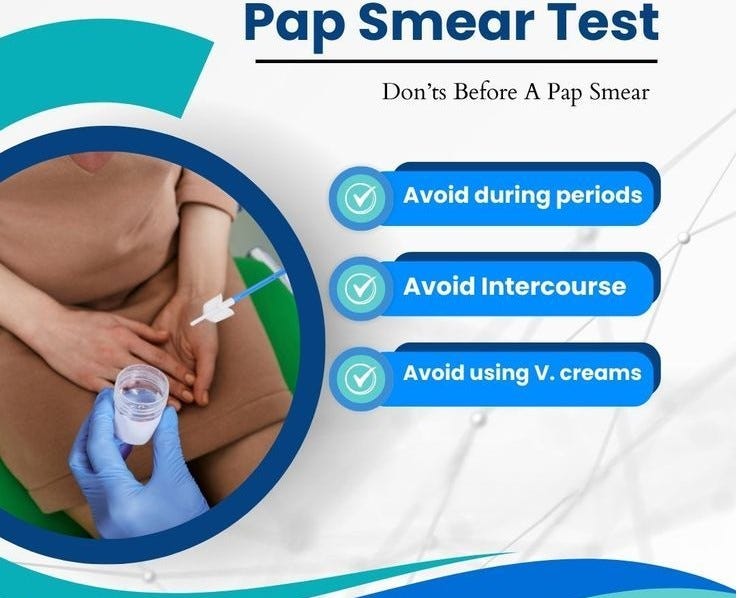
- Schedule the test when you are not on your period.
- Avoid intercourse, douching, or vaginal creams for at least 48 hours before the test.
- Inform your doctor about any medications or infections.
INTERPRETING YOUR RESULTS
- Normal: No abnormal cells were found — continue regular screening.
- Abnormal: Doesn’t always mean cancer — it could indicate infection, inflammation, or mild cell changes. Your doctor will suggest follow-up tests or treatment if needed.
At AK Diagnostics, our experts will guide you through every step, ensuring you understand your results and next steps clearly.
WHY CHOOSE AK DIAGNOSTICS FOR YOUR PAP TEST?
At AK Diagnostics, we combine accuracy, compassion, and technology to ensure your health is always in safe hands.
- State-of-the-art laboratory testing
- Experienced diagnostic professionals
- Confidential and patient-friendly environment
- Quick and reliable reports
Your health deserves attention — not delay. Take the first step toward cervical health today.
BOOK YOUR PAP TEST TODAY
Early detection saves lives. If you haven’t had your PAP test recently, it’s time to schedule one.
Book your appointment now with AK Diagnostics and ensure a healthier tomorrow.
Comments
Post a Comment