Overview
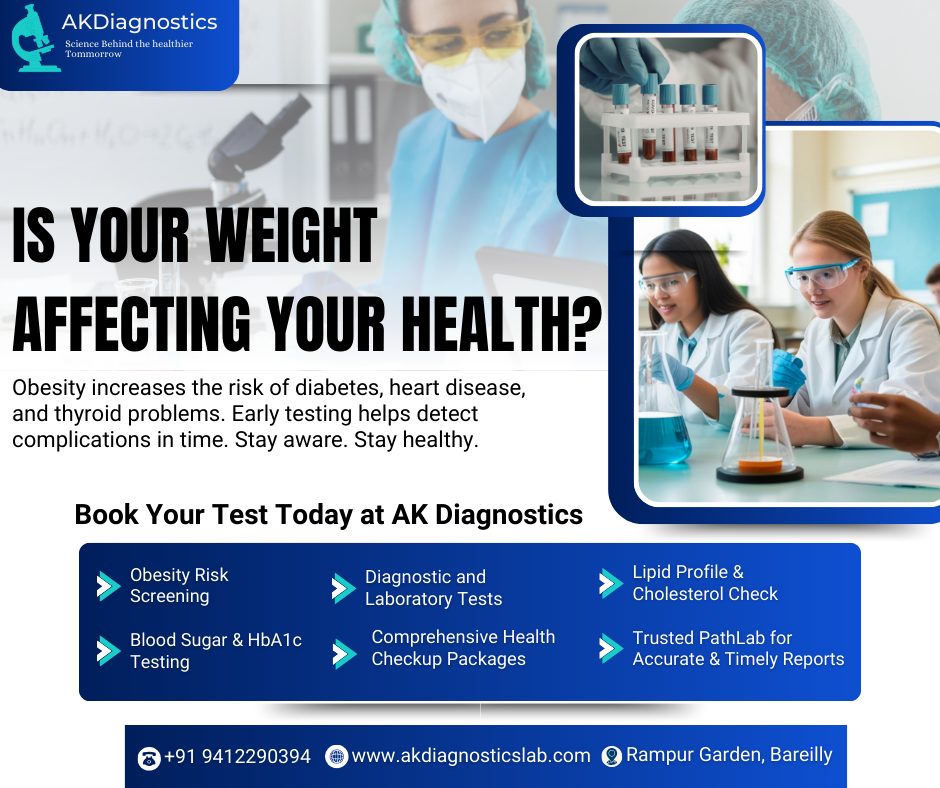
Obesity is no longer just a lifestyle concern — it is a serious health condition that affects millions worldwide. In India, the number of people struggling with obesity is steadily increasing, cutting across all age groups. More than excess body weight, obesity is linked to various health complications such as diabetes, high blood pressure, heart disease, liver issues, and even certain cancers. Early detection and preventive care can make a big difference, and that’s where diagnostic testing plays a vital role.
At AK Diagnostics, we help patients take control of their health by offering reliable PathLab tests that identify underlying risk factors and monitor the impact of obesity on vital organs.

What is Obesity?
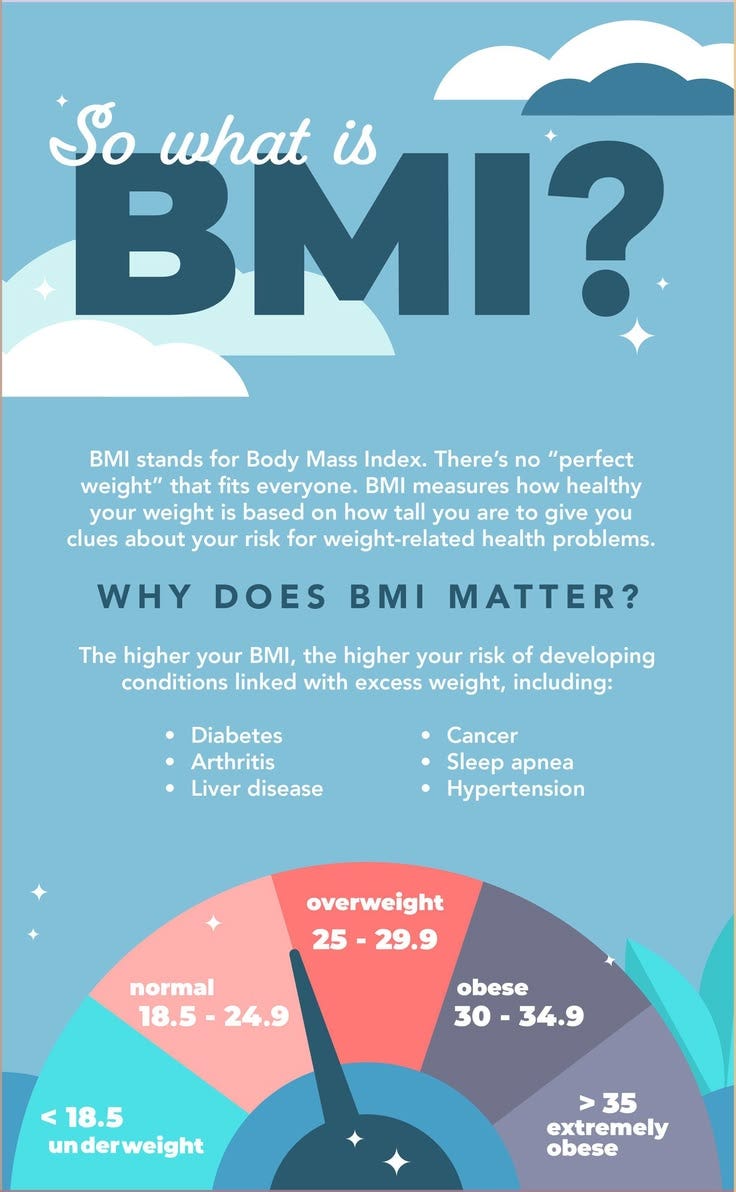
Obesity is a condition where excess fat accumulates in the body, usually measured by Body Mass Index (BMI). A BMI of 25–29.9 is considered overweight, while a BMI of 30 or above is classified as obese. However, BMI alone doesn’t always reveal the whole picture. That’s why diagnostic tests are essential to evaluate how obesity is affecting internal health.
Causes and Risk Factors
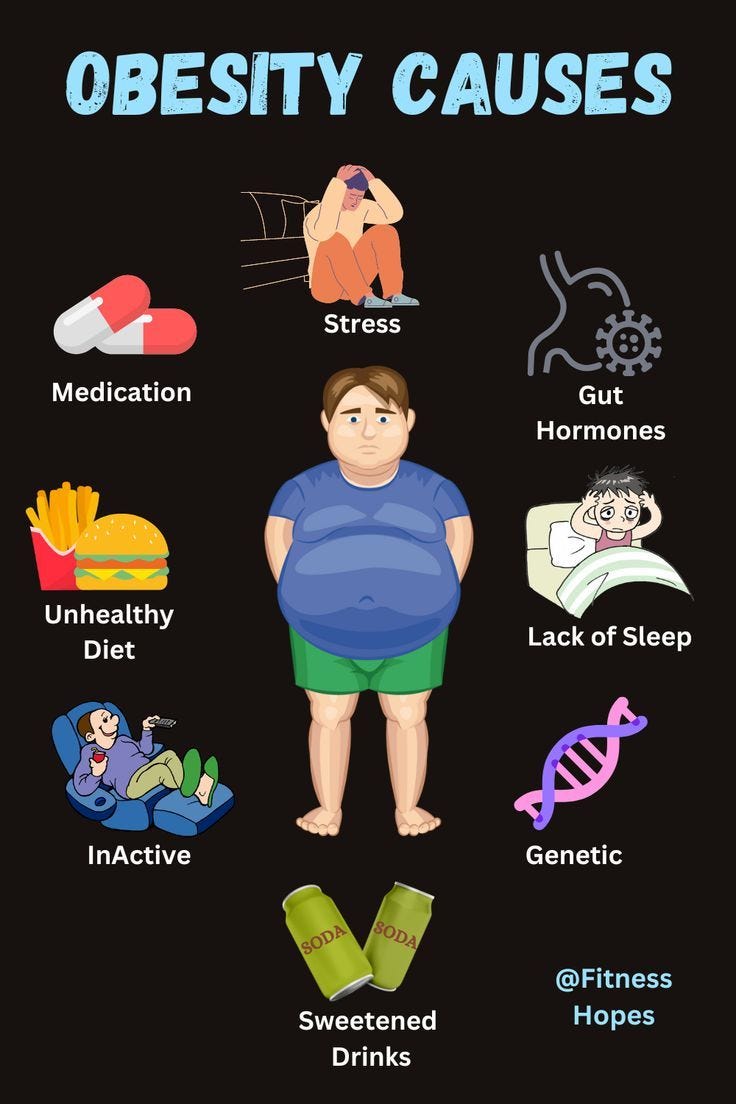
Obesity often develops gradually due to a combination of lifestyle, genetic, and medical factors. Some common causes include:
- Unhealthy Diet: Consuming high-calorie, processed, and sugary foods.
- Sedentary Lifestyle: Limited physical activity or long hours of sitting.
- Hormonal or Genetic Factors: Conditions such as hypothyroidism or family history.
- Stress and Sleep Issues: Poor sleep patterns can disrupt metabolism.
- Certain Medications: Long-term use of steroids or antidepressants can contribute.
Understanding the cause through proper medical evaluation is crucial for effective treatment.
Health Complications Linked to Obesity
Excess weight affects almost every organ system. Common complications include:
- Type 2 Diabetes: High blood sugar levels due to insulin resistance.
- Heart Disease & Hypertension: Increased cholesterol and blood pressure.
- Fatty Liver Disease: Excess fat accumulation in the liver leading to inflammation.
- Joint and Mobility Issues: Increased strain on knees and spine.
- Sleep Apnea: Interrupted breathing patterns during sleep.
- Cancer Risks: Higher risk of breast, colon, and kidney cancers.
These complications often develop silently, making regular diagnostic testing even more important.
Role of Diagnostic Testing in Obesity
At AK Diagnostics, we provide comprehensive PathLab services to detect obesity-related complications at an early stage. Recommended tests include:
- Blood Sugar Tests (Fasting, HbA1c): To screen for diabetes.
- Lipid Profile: To check cholesterol and triglyceride levels.
- Liver Function Tests (LFT): To detect fatty liver disease or liver damage.
- Kidney Function Tests (KFT): To assess kidney health.
- Thyroid Function Tests: To rule out thyroid-related weight issues.
- Vitamin D & B12 Tests: Since deficiencies are common in obesity.
These tests give a clearer picture of how obesity is impacting your health and guide doctors in recommending lifestyle changes or treatments.
Preventing and Managing Obesity
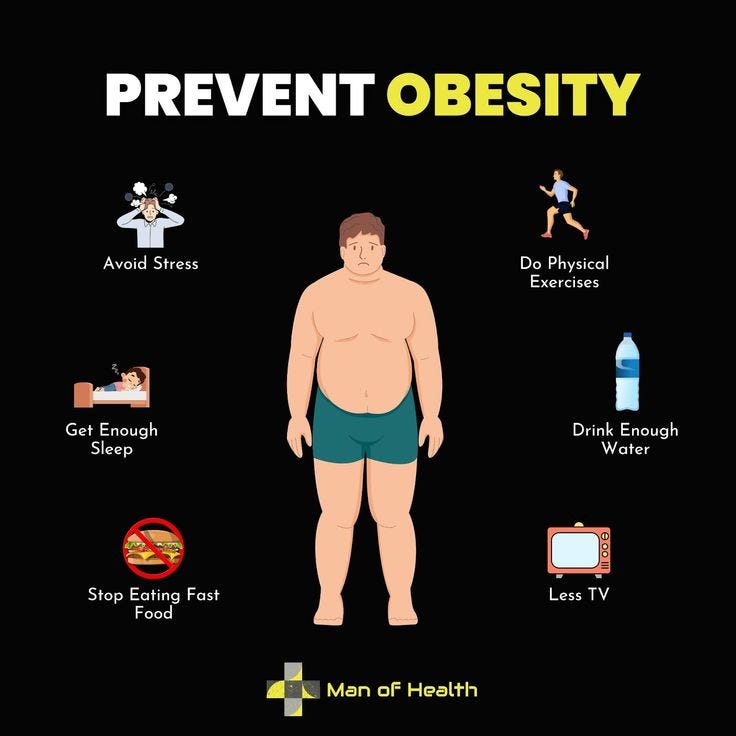
Obesity can be managed — and even reversed — through timely action. Key steps include:
- Healthy Eating: Balanced diet with fruits, vegetables, whole grains, and lean proteins.
- Regular Exercise: At least 30 minutes of physical activity daily.
- Medical Supervision: Regular check-ups and prescribed medicines if needed.
- Diagnostic Testing: Monitoring health markers to track progress.
- Lifestyle Habits: Adequate sleep, stress management, and hydration.
When lifestyle changes are guided by accurate test results, patients achieve better outcomes.
Difference Between Overweight & Obesity

Why Choose AK Diagnostics?
At AK Diagnostics, we are committed to patient care through:
- Accurate PathLab Testing with advanced equipment.
- Comprehensive Health Packages tailored for obesity and lifestyle disorders.
- Experienced Professionals ensuring precise reporting.
- Patient-Friendly Services with quick report delivery and expert guidance.
By identifying risk factors early, our diagnostic services help patients prevent serious complications and improve overall well-being.
Don’t Wait — Get Tested Today
Obesity may feel overwhelming, but the right steps at the right time can prevent it from controlling your life. If you or your loved ones are struggling with weight issues, don’t wait for health problems to appear. Regular testing is the first step toward a healthier tomorrow.
Book your diagnostic tests today with AK Diagnostics and take control of your health before it’s too late. Book Now
Comments
Post a Comment