
A Brief Introduction to Cervical Cancer
Cervical cancer is one of the most preventable yet widely occurring cancers among women in India. Despite being highly treatable when detected early, it remains a major health concern due to a lack of awareness, delayed screening, and limited access to diagnostic services.
At AK Diagnostics, we believe that empowering women with knowledge and advanced screening solutions can significantly reduce the burden of cervical cancer.

What is Cervical Cancer?
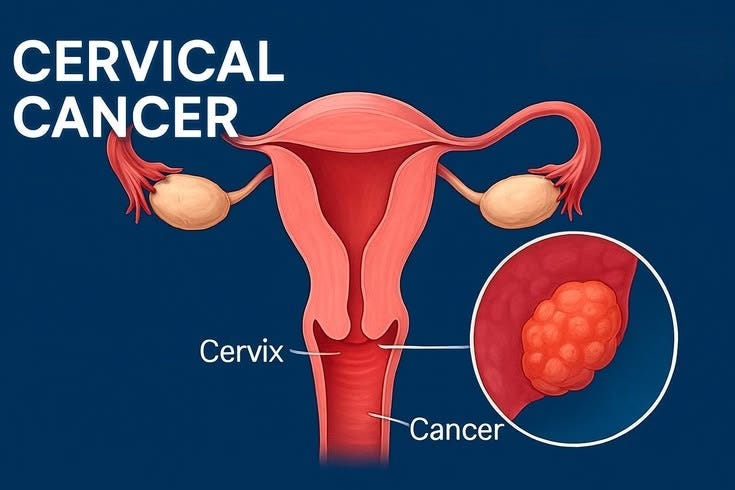
Cervical cancer develops in the cells of the cervix — the lower part of the uterus that connects to the vagina. Most cases are linked to persistent infection with Human Papillomavirus (HPV), a common sexually transmitted infection. While HPV is widespread, not all its types cause cancer, and many infections clear up on their own. However, high-risk HPV strains can lead to abnormal cell changes, which, over time, may progress into cervical cancer if left undetected.
Key Risk Factors
Several factors increase the chances of developing cervical cancer, including:
- HPV infection (major cause)
- Early sexual activity
- Multiple sexual partners
- Smoking
- Weak immune system
- Long-term use of oral contraceptives
- Poor genital hygiene
Understanding these risks helps women make informed lifestyle and health choices.
Warning Signs to Watch Out For
Cervical cancer may not show obvious symptoms in its early stages. As the disease progresses, women may experience:
- Abnormal vaginal bleeding (after intercourse, between periods, or post-menopause)
- Foul-smelling vaginal discharge
- Pelvic pain
- Pain during intercourse
Any such symptoms should not be ignored and require immediate medical attention.
Importance of Early Diagnosis
The most powerful tool against cervical cancer is early screening. Simple, routine tests can detect abnormal cervical cells long before they become cancerous. Early detection dramatically increases the chances of successful treatment and reduces mortality rates.
Diagnostic Tests Available at AK Diagnostics
At AK Diagnostics, we offer comprehensive cervical cancer screening and diagnostic services, including:
- Pap Smear Test: Detects abnormal cell changes in the cervix.
- HPV DNA Test: Identifies high-risk HPV strains responsible for cervical cancer.
- Colposcopy: A detailed examination of the cervix using a magnifying device for suspicious lesions.
- Biopsy: Confirms the presence of cancerous cells.
Our experienced team, advanced technology, and patient-friendly approach ensure accurate, timely, and reliable results.
Prevention is Possible
Cervical cancer is almost entirely preventable through timely screening and vaccination.
- HPV vaccination is recommended for girls and young women and significantly lowers the risk.
- Safe sexual practices, maintaining genital hygiene, and quitting smoking further reduce risk.
- Regular Pap and HPV tests remain essential for all women aged 21 and above.
Prevention begins with awareness — and action.
Stages of Cervical Cancer

Take the First Step Toward Protection
Your health is your greatest asset. Don’t wait for symptoms to appear. Early screening can make all the difference.
Book your Cervical Cancer Screening at AK Diagnostics today.
Our expert care, state-of-the-art facilities, and commitment to women’s health ensure that you receive the best diagnostic support.
Your life matters. Your health matters. Get screened today. Book Now
Comments
Post a Comment